




Hazem Moussa, Chief Executive Officer of VerraPak speaks with Zawya on AWR Group’s plans to also expanding capacity at its existing Dubai factory by 25% in 2027
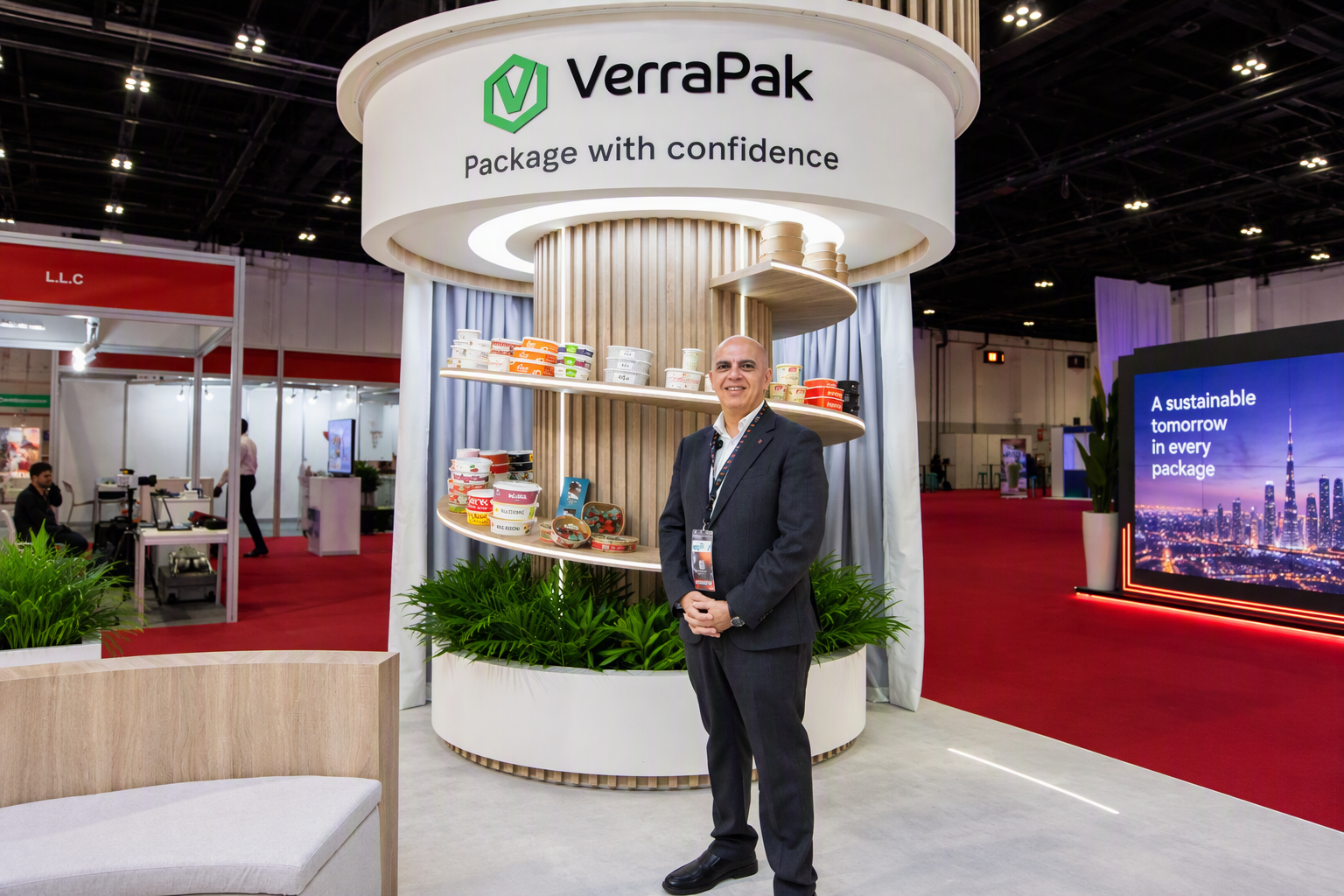
UAE-based packaging products company VerraPak, part of AWR Group, is considering a new Artificial Intelligence (AI)-enabled packaging plant with integrated recycling facility, its Chief Executive Officer Hazem Moussa told Zawya Projects.
“The plan is to have a much bigger facility, a high-end Artificial Intelligence (AI)-run packaging factory by 2030 with a 100 percent in-house recycling facility, serving all the other business units in AWR,” he said on the sidelines of WETEX 2026 exhibition in Dubai.
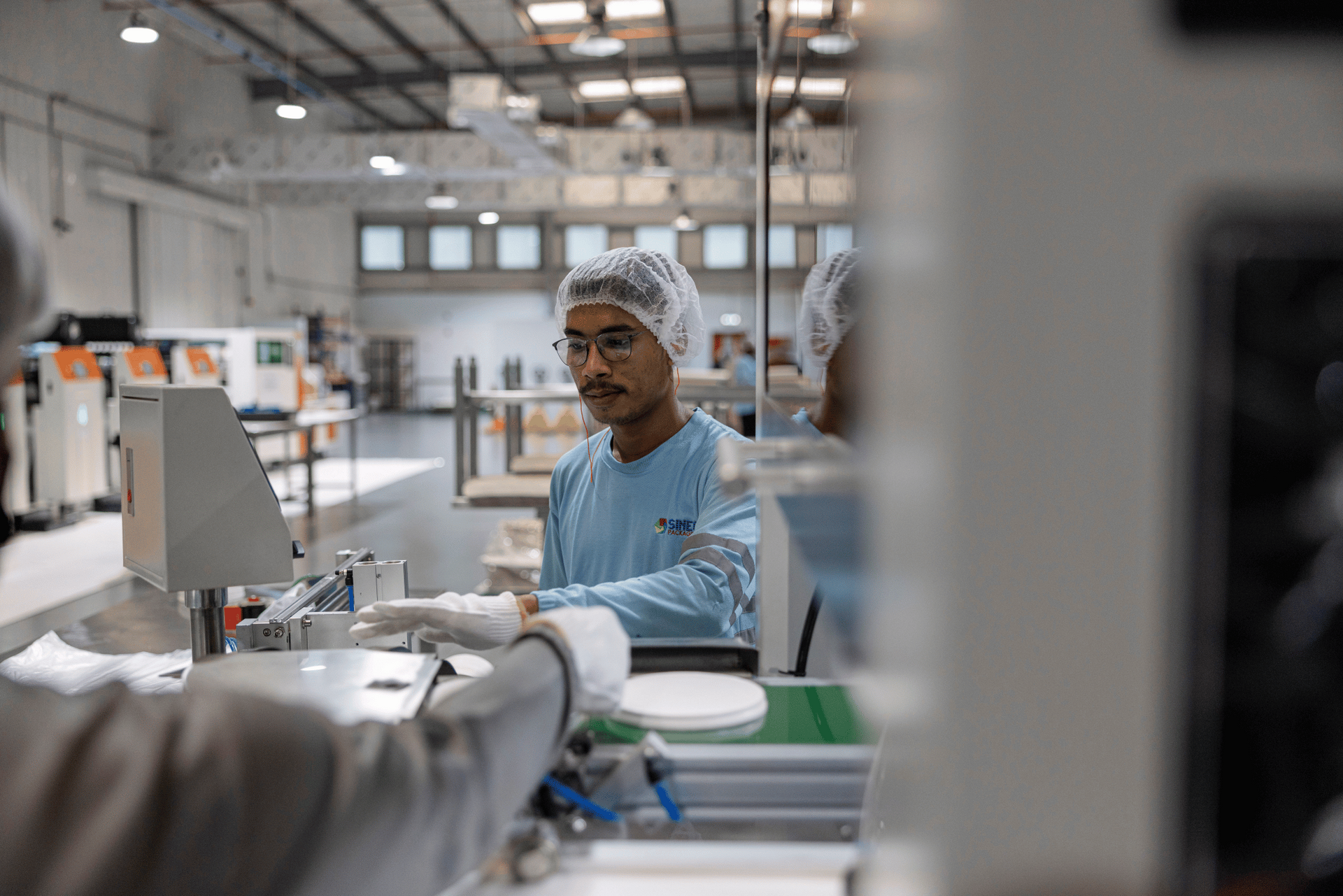
VerraPak supplies packaging solutions to the food, hospitality and consumer sectors, including recyclable and compostable products from its existing 50,000-square-foot manufacturing facility in Dubai Industrial City with 15 high-speed production lines and an annual production capacity exceeding 400 million packaging units.
Moussa declined to disclose further details of the proposed facility, citing confidentiality, but said the company's manufacturing operations remained focused on the UAE, in line with the Make it in the Emirates initiative.
The company plans to expand the production capacity at its DIC facility by 25 percent in early 2027 to meet growing regional demand.
Formerly known as Sineo Packaging, the company formally unveiled its new VerraPak identity on the opening day of WETEX 2026.
Recycling and solar
Moussa said the company recycles production waste from its polyethylene terephthalate (PET) and polypropylene (PP) packaging products. In PET, manufacturing waste, including skeleton scrap, is returned to the raw material supplier for use in the manufacturing of new sheers. The recycled waste accounts for 30 percent of the raw materials used in the production of sheets.
"For our PET lids, we recycle the waste 100 percent. For paper, I’d say 5 to 10% is recycled," he said.
He said paper packaging has PE coating which can be replaced with other easily recyclable materials or 100 percent recyclable paper, if the customer asks for it.
The company is also collaborating with Zayed University on a sustainability programme to evaluate alternative raw materials that could biodegrade and potentially be converted into compost or fertiliser after use. The materials are undergoing factory trials to assess their performance and environmental impact.
Separately, VerraPak is using solar power to operate factory machinery during the 12-hour daytime production shift, reducing reliance on grid electricity while lowering utility costs. Electricity generated on-site from solar has increased more than tenfold in 2025 to 2,660 megawatt-hours (MWh).
Supply chain diversification
Moussa said regional disruptions had prompted VerraPak to diversify its raw material sourcing beyond China, which previously accounted for all its imports. The company now sources materials from India, the United States and Europe, while also arranging road shipments from Turkey.
“Raw material has been a big challenge, and I think we're one of the few factories that managed to sustain supply to all brands, including quick-service restaurant brands, during this period," he said.
Despite higher shipping costs and logistics disruptions, VerraPak has continued exporting to key markets, including Saudi Arabia, Kuwait, Iraq, Tunisia and Morocco.
Moussa said rising freight costs remained a challenge for export growth, although the company was seeing stronger demand in the UAE market.
“We’re getting more traction in the local market because of our high quality and sustainable supply,” he said. "We try to balance the cost and deliver the same product, if not better, to our customers."
Read the feature on Zawya: UAE's VerraPak plans AI-enabled packaging plant by 2030 | ZAWYA