


Insights
Explore opinion pieces and thought leadership from AWR Group senior leaders and invited experts that analyse industry trends, policy changes and strategic challenges. These contributions aim to stimulate discussion, share our viewpoint and add constructive perspective to debates shaping our sector.
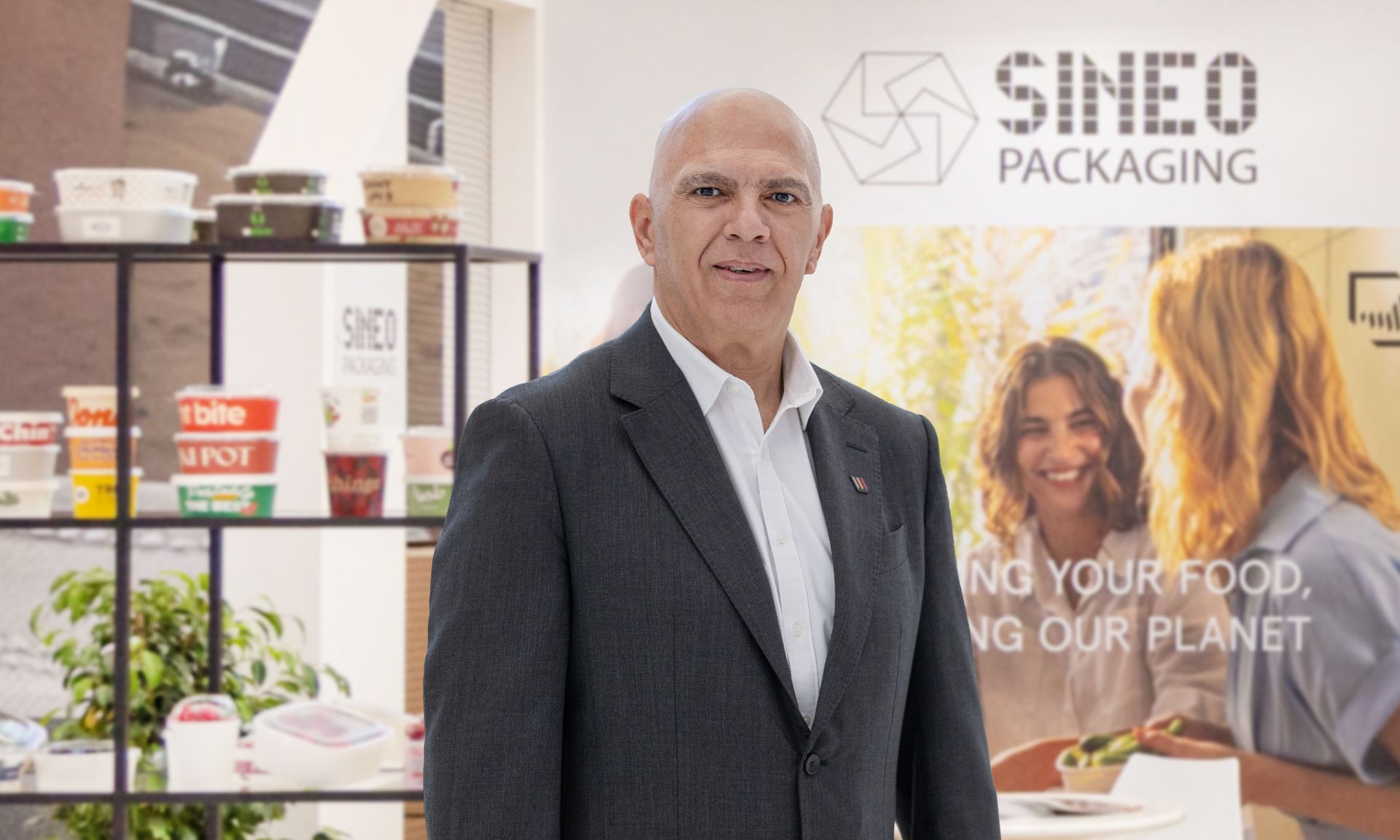
By Hazem Moussa, CEO, Sineo Packaging
At AWR Group, Vision 2030 is more than a destination — it’s our collective journey toward purposeful progress. It’s about how we grow, how we create value, and how we shape a legacy that will enrich lives for generations to come. This journey calls for unity of purpose and diversity of capability. It requires us to think differently, act responsibly, and lead with intelligence and heart. To deliver on this ambition, we are focusing on four core transformation programmes — each one a strategic driver of our progress, and part of the whole. • Customer Experience (CX) defines why we exist — to deliver meaningful, human experiences that build trust and loyalty. • Innovation defines how we evolve — by nurturing creativity, curiosity, and continuous improvement across every part of our business. • ESG defines what we stand for — ensuring our growth is responsible, inclusive, and aligned with our Purposeful Business Pledge. • Data & AI defines how we decide and deliver — by harnessing insight, intelligence, and technology to drive smarter performance. These programmes are powered by two essential enablers: our brand transformation, which unites our businesses under one clear and confident identity, and our culture and values, which define the mindsets and behaviours that bring our purpose to life. Together, they create the foundation on which our transformation can thrive — ensuring that as we advance toward Vision 2030, we do so with clarity, cohesion, and conviction.
At AW Rostamani Group, social impact has never sat apart from how the business operates. It has evolved steadily over time - shaped by the decisions we make, the partnerships we build, and the responsibility we take as a Group embedded in the communities and environments in which we operate. In 2025, that work entered a more deliberate phase. As ESG was formalised as a strategic pillar under Vision 2030, the focus shifted toward embedding a Group-wide framework that brings greater clarity, alignment, and accountability to efforts already underway. The objective was not to redefine purpose, but to strengthen consistency - ensuring that environmental and social initiatives are connected through a shared direction and understood as part of how the Group operates. Within this framework, social impact remained a core driver across both environmental and social priorities. Rather than introducing entirely new streams of activity, the year centred on operationalising intent: connecting long-standing initiatives, aligning them with recognised standards and national priorities, and creating the conditions for more structured delivery over time. This reflects a fundamental belief that responsibility is not a programme to be activated, but a way of working that must hold across decisions, behaviours, and partnerships. Throughout the year, initiatives spanned environmental stewardship, community engagement, inclusion, climate awareness, and employee wellbeing. Collectively, these efforts generated more than 1,500 volunteer hours. While this figure provides context, it does not capture the full measure of impact. More meaningful was the sustained participation across the Group - a practical indicator of a culture where contribution is embedded and where people consistently choose to engage. Environmental action continued to be a key area of focus. Hands-on initiatives, including desert clean-ups, mangrove planting, and participation in the Clean UAE initiative, enabled direct local engagement and tangible contribution. Alongside this, the Group established a collaboration with Tree-Nation, extending impact beyond local initiatives to support global reforestation and biodiversity efforts. The AWR Group Corporate Rainforest was introduced as a long-term initiative, integrated into everyday operational practices such as onboarding and employee recognition, reinforcing the principle that environmental responsibility should be woven into how the organisation functions. Social engagement and inclusion were addressed in parallel. Visits to the Rashid Centre for People of Determination and Dubai Autism Centre, alongside community support initiatives and activities focused on wellbeing and climate awareness, were designed to foster understanding, accessibility, and connection. Not all impact is outward facing, nor does it need to be. In many cases, value is created through intent, learning, and the quiet reinforcement of shared responsibility. Partnerships played a critical role in enabling delivery and maintaining credibility. In 2025, the Group formalised a long-term collaboration with Emirates Environmental Group (EEG), strengthening environmental stewardship through expert-led engagement and alignment with established national efforts. During the same period, AWR Group became a signatory to the United Nations Women’s Empowerment Principles (WEPs), reinforcing an established commitment to gender equality, inclusive leadership, and responsible workplace practices. These steps reflect a clear understanding that credibility is built through alignment between values and action - and sustained over time through consistency. Programme delivery was further supported through collaboration with Companies for Good and Goumbook, alongside a broader network of delivery partners who brought local insight and practical expertise across initiatives throughout the year. Looking ahead, the priority is to build on this foundation. This includes strengthening impact measurement, deepening strategic partnerships, and embedding ESG considerations more fully into operational frameworks and decision-making processes. As the Group prepares to publish its first formal ESG report, the focus remains on ensuring that reporting reflects reality - grounded in progress made, informed by lessons learned, and positioned for long-term value creation. This work is not episodic, nor is it defined by individual initiatives. It takes shape over time - through how resources are allocated, how partnerships are formed, and how responsibility is reflected in everyday decisions. That is where impact moves beyond intention and becomes practice.
Education has always been associated with milestones - degrees earned, skills acquired, programmes completed. Yet within organisations, its true influence runs deeper. Education shapes how people think, how they respond to change, and how they grow into responsibility over time. At AWR Group, learning is not treated as a moment in someone’s career. It is part of how our culture evolves. It informs how we build capability, how we develop leaders, and how we prepare our people to navigate complexity with confidence and intent. International Day of Education offers a timely opportunity to reflect on this role - not as an abstract ideal, but as a lived experience across the Group. Education as a shared responsibility One of the most important shifts organisations face today is moving away from viewing education as something that is provided, towards recognising it as something that is shaped collectively. At AWR Group, learning takes form through participation. It is influenced by leaders who set direction, teams who exchange knowledge, and individuals who choose to stay curious and invested in their own development. This shared responsibility creates learning that is relevant, grounded, and aligned with the realities of our business. When education is approached this way, it becomes more than capability building but rather a way to strengthen judgement, encourage adaptability, and support long-term progression. Building capability with intention As our business continues to grow and diversify, the expectations placed on our people are evolving. Roles require broader perspective, stronger collaboration, and the ability to make informed decisions in changing environments. Education plays a critical role in meeting these expectations. Not through volume or speed, but through intention. Learning that is thoughtfully designed and closely connected to real work helps people build confidence in applying what they know - not just acquiring it. This approach supports sustainable growth. It allows individuals to develop at a pace that is meaningful, while ensuring the business continues to build depth and resilience across functions and leadership levels. Developing people, strengthening culture From an HR perspective, education is inseparable from culture. The way learning is enabled sends a clear message about what an organisation values. At AWR Group, we see learning as a signal of trust. It reflects a belief in people’s potential and a commitment to creating environments where growth is supported over time. It also reinforces accountability - the understanding that development requires engagement, discipline, and ownership from each individual. This balance matters. Training and opportunities create the conditions for growth, but progress is shaped by how actively people participate in their learning journey. Learning as an ongoing commitment As conversations around education continue globally, one idea remains central: learning delivers the greatest impact when it evolves alongside people and purpose. At AWR Group, education will continue to be shaped by collaboration, informed by experience, and guided by long-term thinking. It will remain an essential part of how we build capability, support our people, and strengthen the culture that underpins our success. On International Day of Education, rather than celebrating initiatives or milestones, this reflection is about recognising education as a continuous thread - one that connects people, performance, and progress across the Group.
In a world that never stands still, transformation has become more than a corporate buzzword. It’s no longer just about new strategies or digital tools — at its heart, it's about people. True progress happens when organisations invest in nurturing their culture, growing their capabilities, and preparing for the generations that will follow. For us at AW Rostamani Group (AWR Group), our recent rebrand represents far more than a new look; it’s a symbol of an inward shift — a renewed focus on purpose, people, and the future we’re building together. The Changing Face of Talent The pace of change around us demands more than technical skill. It calls for curiosity, adaptability, and a deep connection to purpose. The old idea of talent as a resource to be managed is giving way to a new understanding: people are the ultimate differentiator. That means talent development can’t sit on the sidelines. It must be embedded within business strategy and measured with the same rigour as financial performance. Career pathways are no longer linear but dynamic and fluid — evolving in line with both market dynamics and individual aspirations. Organisations that thrive will be those that see learning not as a programme, but as a mindset — and culture as the constant thread running through every change. The Engine of Transformation However, even the most sophisticated strategies falter without a strong cultural foundation. As the popular saying goes, "culture eats strategy for breakfast." Cutting-edge technology and innovative business models only succeed when the culture evolves alongside them. The most successful organisations will be those that foster environments where ambition and well-being are mutually reinforcing, where experimentation is encouraged (even in failure), and where cross-generational collaboration thrives. This requires leadership that visibly invests in mentorship, celebrates innovation regardless of hierarchy, and makes development resources genuinely accessible. At AWR Group, we’ve learned that storytelling and lived experiences are what embed change. When people see their own values reflected in the organisation’s journey, transformation becomes real — and lasting. Embracing Generation Next This commitment to a vibrant culture and evolving talent landscape is rooted in our guiding principle, "Embrace Generation Next". It encapsulates the forward-looking mindset that sits at the heart of our transformation. It’s both a promise and a challenge — to ensure our growth today creates value for tomorrow. Purpose and performance are not competing priorities; they are partners in progress. Talented professionals — especially the younger generations — are seeking meaning in their work, drawn to companies whose mission resonates with their own values. They want to contribute to something larger than themselves — to sustainability, innovation, inclusion. When organisations align their business models with these aspirations, they not only attract top talent but also unlock deeper engagement and creativity. People at the Heart of Progress Ultimately, every transformation begins and ends with people. Companies that see their people as their biggest strength, that create spaces for ideas to flourish and leaders to grow, will shape the future. Today’s talent is ambitious, educated, and eager to make an impact. They deserve companies that genuinely believe in them, invest in their growth, and offer clear paths to leadership. That’s the essence of purposeful growth — and our rebrand is both a reflection of that belief and a reaffirmation of our readiness for what comes next.
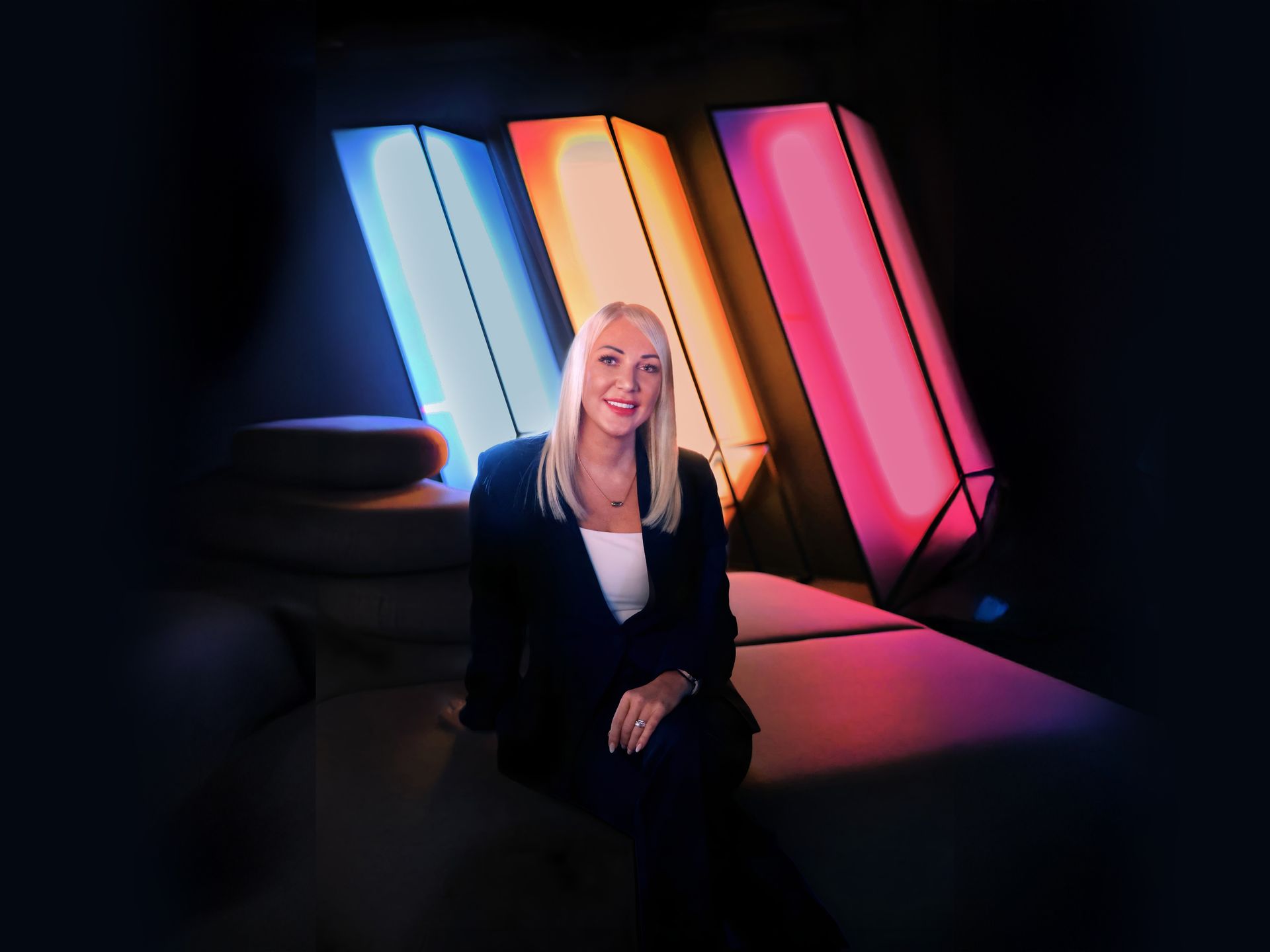
When we talk about transformation, it’s easy to focus solely on strategy — on the frameworks, plans, and performance indicators that define progress. But strategy, on its own, isn’t enough. For strategy to live, it needs a voice. It needs a soul. And that’s what our new brand gives us. The launch of AWR Group’s evolved identity marks a turning point; not just in how we look, but in how we think, act, and grow together. It connects our history with our horizon, transforming more than seventy years of entrepreneurial legacy into a modern expression of who we are today, and what we stand for as we move towards Vision 2030 – and beyond. A strong brand is more than a logo or a colour palette. It’s a system: one that unites our businesses, strengthens our reputation, and enables us to speak with clarity, confidence, and purpose. Over the decades, AWR Group has diversified, expanded, and excelled across multiple sectors. This evolution brings that success story into a single, future-focused narrative: one voice, one promise, and one shared direction. It’s what allows us to be recognised, trusted, and, most importantly, chosen by our stakeholders, not only for what we do but for what we believe in. That belief is captured in our guiding purpose: Embrace Generation Next. It reflects our responsibility to future generations and our opportunity to shape a better one. It challenges us to think beyond the transactional, to innovate with meaning, and to ensure that progress is purposeful. It’s a statement that honours our late Founder’s vision and reinterprets it for a new era: one defined by sustainability, inclusion, and meaningful growth. The new brand is also about experience; it’s about how people feel when they engage with us. That’s why we chose to begin this transformation from within, launching it through our new Brand Immersion Centre at the Deira headquarters. It’s a living environment where our story comes to life — the sights, sounds, and spirit of AWR Group woven together to create an experience that’s both deeply human and powerfully strategic. Every detail is intentional: the colours, textures, storytelling, even the scent. It’s a space designed not only to showcase who we are, but to invite reflection on what it means to belong at AWR Group. Over the coming months, every one of our people will be invited to visit the Centre. Each visit is an opportunity to connect with our shared story, to feel the progress of the past, the strength of the present, and the promise of the future. Because a brand isn’t built through guidelines or templates — it’s built through people. Through the collective pride and belief that turn an identity into a culture. This is why our rebrand aligns so closely with our refreshed Values and Culture framework. The two are inseparable. Our transformation is as much about behaviour as it is about brand — about embedding a shared mindset of integrity, innovation, and impact across every part of the business. Our new values are the human translation of the visual system we’ve introduced. Visually, our identity draws strength from its simplicity. The palette — burgundy, orange, grey, and black — continues to carry meaning first defined by our late Founder. Each colour still carries its original intention but has been reimagined for a new era: bolder, more dynamic, more digital. At its centre sits the Generation Mark — three lines representing the past, present, and future — and the Journey Line, inspired by the flow of the Dubai Creek, a reminder that our story has always been one of motion and continuity. These are not decorative details; they are symbolic of who we are — rooted, ready, and relentless. As we move ahead, our challenge is to ensure that this isn’t a one-time launch, but an ongoing commitment — to consistency and cohesion. Our new tools, templates, and digital platforms will enable us to express the brand more seamlessly, but the real transformation happens when each of us brings it to life in what we say, how we behave, and the impact we create. Because in the end, a brand isn’t just what the world sees — it’s what the world feels. It’s the sum of the experiences we deliver, the values we embody, and the future we build together. This is our story: rooted in legacy, ready for the future, and relentless in the pursuit of progress. #WeAreAWR
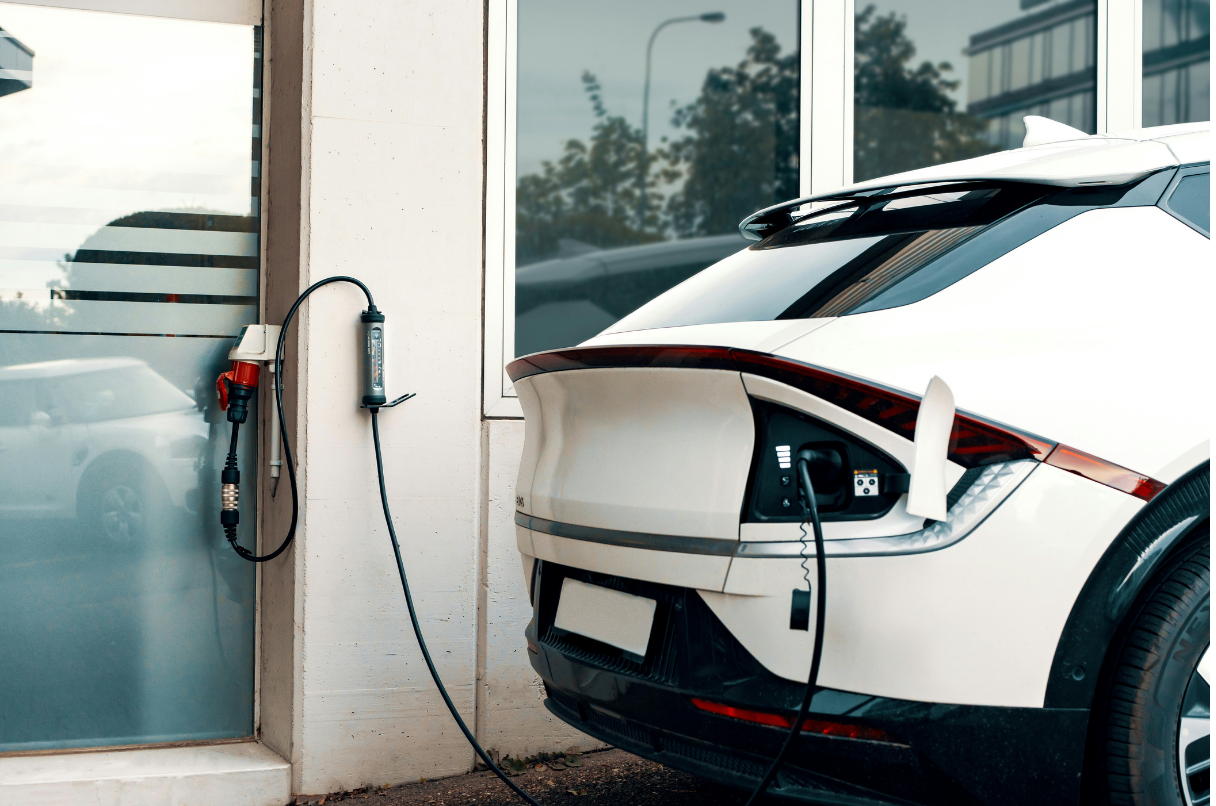
The United Arab Emirates stands at the forefront of the global electric vehicle (EV) revolution with dedicated strategies such as the Dubai Clean Energy Strategy 2050, Green Mobility Strategy 2030, and the UAE Net Zero 2050 initiative, among others. This World EV Day marks a moment to acknowledge how far we have come in embracing sustainable mobility - and to envision the road that lies ahead. In the UAE, electric mobility is now omnipresent and already a way of life, only made possible through strategic leadership and practical innovation that continues to reshape our economy and improve our standard of living. UAE’s vision for electric mobility The UAE EV market is projected to reach $1.8 billion in 2025, with over 30,000 EVs already registered in Dubai alone and major investments continuing to accelerate growth. Consumer perceptions in the UAE are rapidly shifting, with electric vehicles (EVs) increasingly viewed as a practical choice rather than a futuristic aspiration. While internal combustion (IC) and hybrid cars still represent the current majority of the market, the accelerating growth of EV sales - underlined by a surge in demand and triple-digit pre-bookings for new models - indicates a clear preference for the lower day-to-day running costs EVs offer. This momentum is being supported by strategic partnerships across sectors, these are crucial for building the comprehensive ecosystem needed to support the UAE's ambitious goals and to remove any remaining range anxiety for customers. Building a complete EV ecosystem The UAE is a magnet for talent and residents, with Dubai alone projected to have its population nearly double to 7.8 million by 2040. This unprecedented growth means more people and, inevitably, more cars on our roads. While ambitious public transport projects like Etihad Rail will revolutionise intercity travel, they are not a replacement for personal mobility. Our private vehicles remain a crucial part of daily life for commuting, family needs, and last-mile connectivity. Therefore, we must focus on transforming the vehicles themselves to meet our sustainability goals. The true measure of our success will be our ability to scale a complete EV ecosystem that seamlessly integrates with a growing population, ensuring that every new vehicle added to our roads is a step toward a cleaner, greener future for all. But achieving a fully electric future requires building a resilient, inclusive mobility ecosystem. This includes: • Expanding accessibility: Our progress hinges on deep collaboration between government, business leaders, and the public. Through joint initiatives, legislative updates, and continued investment in research and development, we are building a future ready for tomorrow’s challenges. Nationwide deployment of charging stations, including in remote areas, ensures every resident can rely on EVs without range anxiety. Strategic partnerships are deploying integrated infrastructure and hundreds of accessible charging stations across the emirates. Adding to this, we have forged strategic alliances with partners like UAEV, ADNOC and Charge&Go by e& to provide our customers with exclusive access to their extensive charging networks. • Driving education and awareness: Events like World EV Day open valuable conversations about EV ownership, battery life, maintenance, and charging. Industry stakeholders must work together to demystify the technology and empower consumers with knowledge, ensuring the transition is smooth and transparent. • AWR Group is moving beyond consumer-facing initiatives, by actively incentivising our own employees to adopt electric vehicles. This includes providing free or subsidised charging at the workplace, integrating EVs into our company fleet, and offering attractive internal purchase programmes. • Promoting choice and innovation: The UAE’s vibrant market now offers a diverse range of EVs - from compact city cars and luxury models to commercial vehicles - allowing more people to find an electric solution that fits their needs and budget. Corporate adoption is rising, with widespread transition in logistics, ride-hailing, and public transport sectors • From our perspective, our portfolio includes EV brands Zeekr and smart, which are introducing models that combine cutting-edge design and performance with the latest in sustainable technology. Powering a bright, sustainable future The journey to electrification is not a solo effort but rather a shared responsibility for all involved. On this World EV Day, the UAE celebrates not only its remarkable progress but also the partnerships that make it possible. By working together, we can accelerate momentum and shape a cleaner, quieter, and more resilient mobility landscape, setting a new standard for generations to come. The road ahead is electric, illuminated by innovation and guided by our collective vision for a sustainable future.
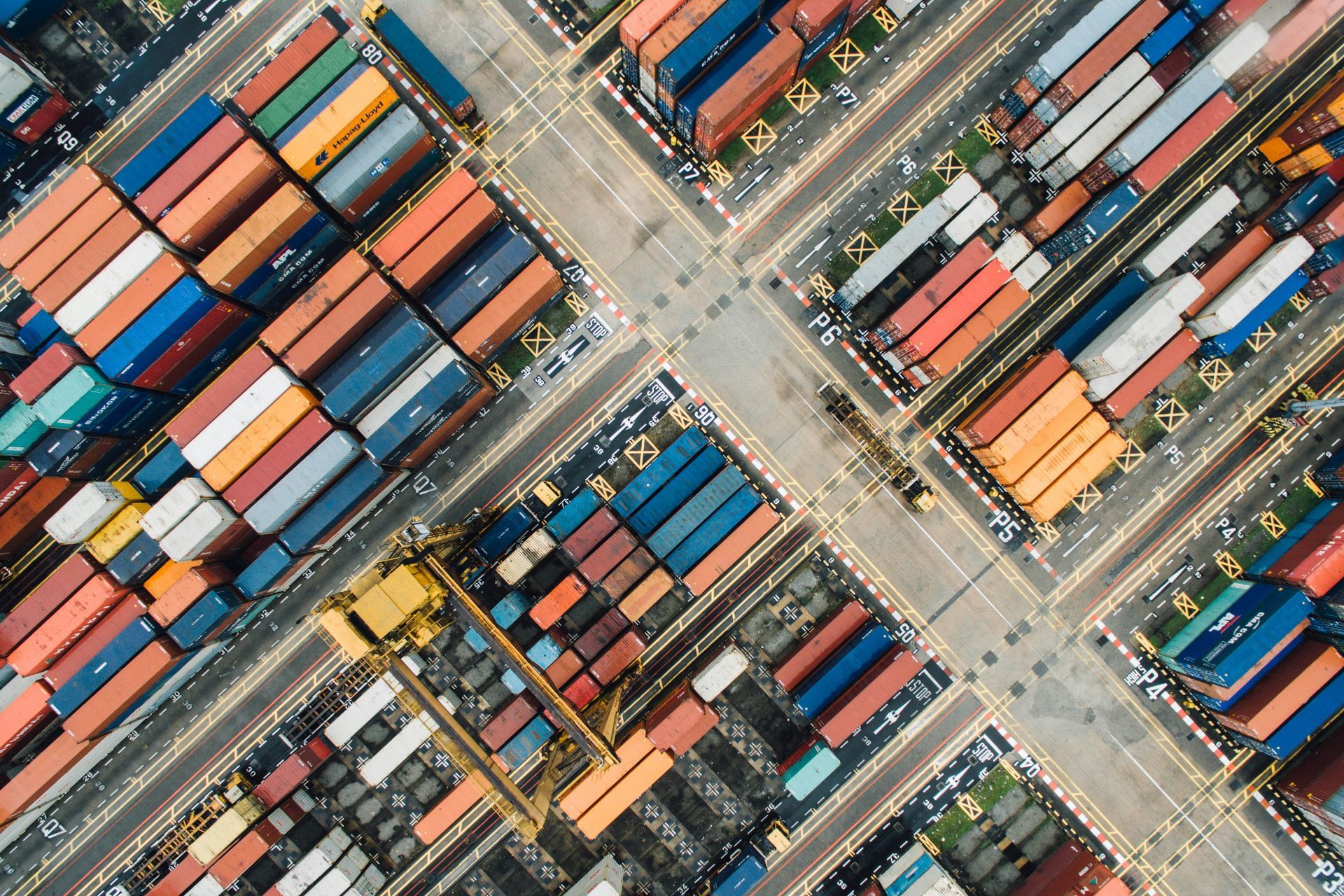
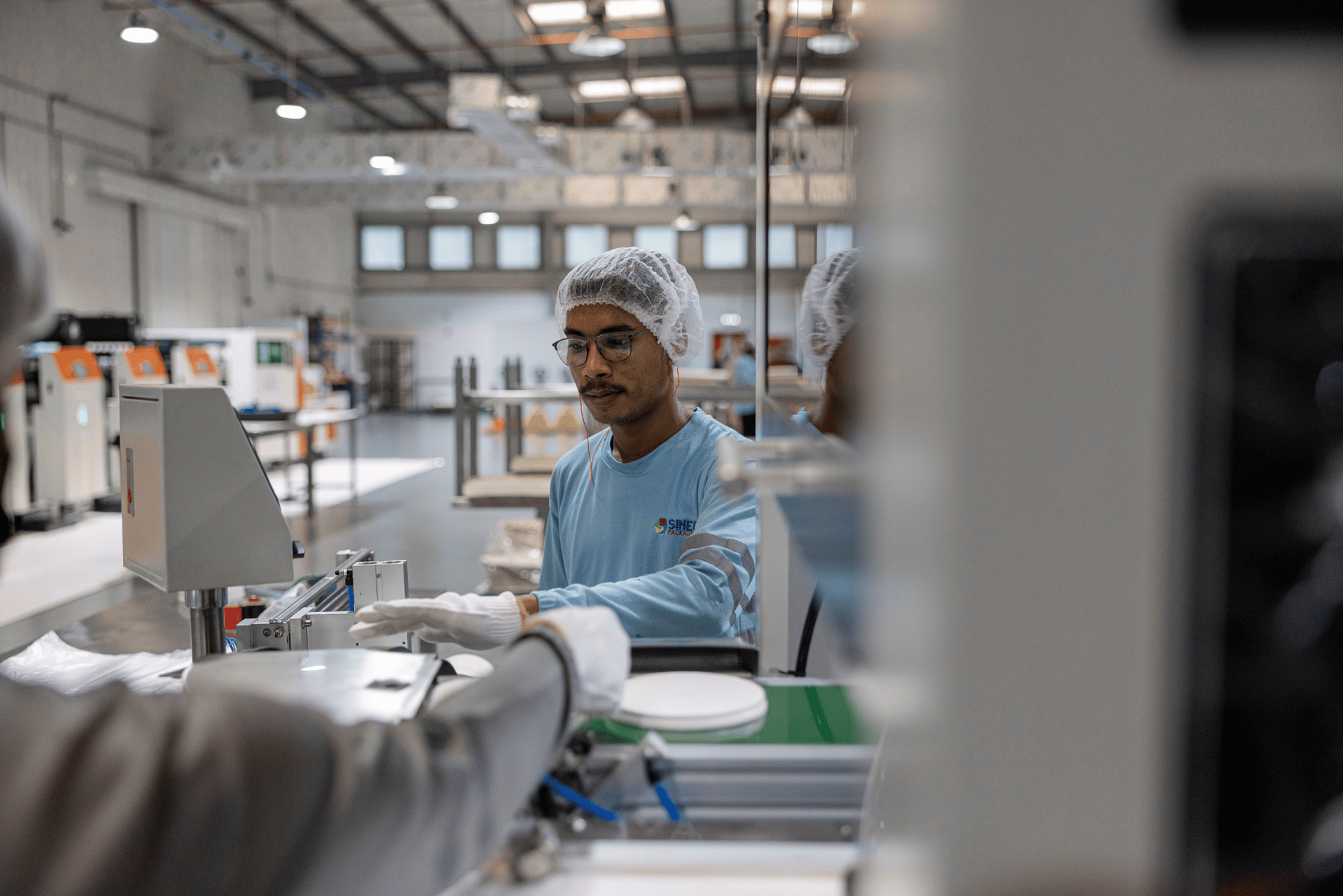
The world continues to break weather records; the World Meteorological Organisation (WMO) now indicates an 86% chance that at least one year between 2025 and 2029 will exceed 1.5°C above pre-industrial levels, a notable increase from their 2024 outlook. This global warming trend is manifesting locally through unprecedented heatwaves, such as a May temperature record for the UAE, and anomalous heavy rainfall. The World Economic Forum's Global Risks Report 2025 further underscores this vulnerability, highlighting extreme weather as the second most likely cause of a global crisis this year, with environmental risks dominating the top long-term concerns. The implications can be drastic for nations heavily reliant on imports for essential goods, particularly food (around 85% of food needs are imported) and manufactured products. Major import source markets, including India, China, the Philippines, Indonesia, and various European nations, are simultaneously experiencing unprecedented climate challenges. Droughts in agricultural powerhouses, severe storms disrupting port operations in key Asian manufacturing hubs, and heatwaves impacting labour productivity in European distribution centres directly ripple through intricate global supply chains. These interconnected disruptions create a domino effect, leading to extended transit times, increased freight costs, and heightened volatility in commodity prices, ultimately affecting the cost of living and business operations. However, the UAE has taken a lead in proactively addressing these challenges by embracing smart logistics and leveraging the power of data and artificial intelligence (AI) for predictive route planning and real-time adjustments. This transformative approach allows businesses to proactively avoid disruptions, maintain efficiency, and bolster supply chain resilience. For instance, in maritime shipping, AI-powered platforms analyse vast datasets, including historical weather patterns, real-time oceanic conditions, port congestion, and geopolitical events. Suppose a significant storm is forecast to impact the Suez Canal, for example. In that case, the system can instantly suggest alternative routes around the Cape of Good Hope, calculating optimal speeds and fuel consumption to minimise delays and costs, rather than waiting for the disruption. This predictive capability is crucial for the UAE, which relies on global sea lanes for its imports. Beyond major shipping routes, AI is revolutionising last-mile delivery within the UAE's bustling cities. Consider a logistics provider managing a fleet of delivery vans: traditionally, routes might be static, leading to inefficiencies during unexpected traffic jams or sudden downpours. Smart logistics, real-time traffic data, live weather feeds, and even public event schedules are continuously fed into an AI engine. If a sudden sandstorm reduces visibility on a main artery, the AI can immediately re-optimise routes for the affected vehicles, rerouting them to clear roads and notifying customers of adjusted delivery times with remarkable precision. Furthermore, predictive maintenance powered by AI, which extensively use sensors and machine learning t, ensures that vehicles and machinery across the supply chain are proactively serviced, significantly reducing the risk of breakdowns and further delays due to mechanical failures. "Smart packaging" takes this commitment to resilience a step further by utilising advanced, protective materials and embedded sensors to ensure product integrity and visibility, even in challenging conditions. This is particularly vital as a country because we import a significant volume of temperature-sensitive goods like pharmaceuticals, fresh produce, and high-value electronics. For instance, pharmaceutical companies increasingly employ smart packaging with time-temperature indicators (TTIs) and RFID (Radio-Frequency Identification) tags. These TTIs change colour if the temperature inside the package deviates from the required range, providing an immediate visual alert to logistics personnel. Simultaneously, RFID tags allow for continuous, real-time tracking of the package's precise location and environmental conditions throughout its journey from a factory, across vast oceans, and through scorching desert climates, ensuring that the vaccine's efficacy is never compromised and enabling immediate intervention if an issue arises. Beyond temperature control, smart packaging offers unparalleled visibility and anti-counterfeiting measures, a critical concern in a globalised market. High-value fashion items or luxury electronics arriving in Abu Dhabi port might now be enclosed in packaging with NFC (Near-Field Communication) tags. When scanned with a smartphone or specialised reader, these tags can authenticate the product's origin, display its whole supply chain journey, and even reveal details about its manufacturing process. This builds consumer trust and provides a powerful deterrent against counterfeit goods, protecting both brands and consumers. Furthermore, embedded humidity sensors prove invaluable for sensitive electronics and machinery imports, alerting logistics operators if moisture levels exceed safe thresholds during transit, preventing costly damage and ensuring product quality upon arrival. Combining the predictive power of smart logistics and the protective assurance of smart packaging is key to forging a truly robust and resilient supply chain in the face of escalating climate volatility. This integrated approach creates a symbiotic relationship: smart logistics identifies and mitigates macro-level disruptions across entire networks, while smart packaging safeguards product integrity at the micro-level, ensuring that even if unforeseen challenges arise, the goods remain viable and valuable. Ultimately, this integrated approach—where smart logistics mitigates macro-level disruptions and smart packaging safeguards micro-level integrity—is the key to future-proofing supply chains. It's a core belief driving forward-thinking logistics providers today. As a leader in the UAE, AWR Logistics has made this ethos central to its mission, pioneering a seamless ecosystem of AI-driven logistics and advanced packaging. By doing so, we empower our clients to not only navigate global challenges but also thrive, building resilient supply chains that can withstand the tests of our time.